

Yellow, White, and Red Onions: Why it Matters Which One You Use
Most people don’t think much about onions. They are probably the most underrated ingredient in the kitchen, but are often the silent backbone in meals.
A lot of people grab whatever onion is the easiest to reach in the produce section, toss it into the cart, and carry on.
Honestly though, that works a lot of the time.
But once you start cooking more regularly, especially from scratch, you realize that those onions are doing a whole lot more than people give them credit for.
They build flavor in pasta sauces, soups, chili, burgers, Cajun food, stir fry, pan sauces, roasts, and just about every other savory meal that you can think of. A lot of great cooking starts with an onion. I don’t have many recipes that don’t involve an onion hitting a hot pan somewhere.
And different onions do very different things.
Some cook down sweet and rich. Some stay sharper and more noticeable. Some are better raw than cooked. Some disappear into a sauce while others stand out on purpose.
Once you understand the difference between yellow, white, red, and sweet onions, your cooking will become elevated overnight.
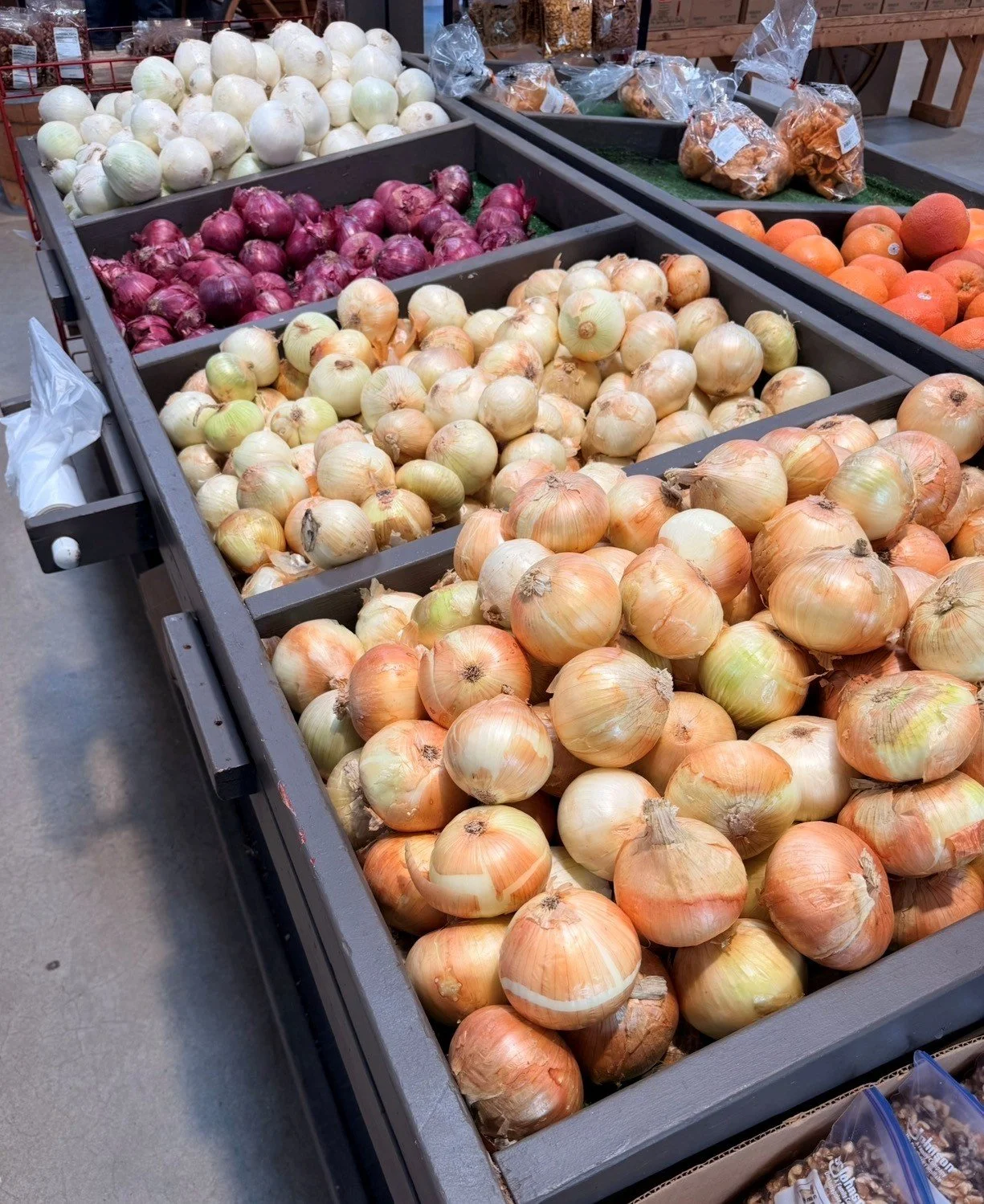
Yellow Onions - The Everyday Onion
If I could only buy one type of onion for the rest of my life, it would probably be yellow onions.
They’re balanced.
Not too sweet. Not too sharp. Just versatile enough to work in almost any dish you throw them in.
This is the onion I reach for when I’m making:
pasta sauce
soups
pot roast
chili
Cajun dishes
chicken and rice
skillet meals
meat sauces
burgers
Yellow onions soften beautifully when cooked low and slow. They develop this rich sweetness that blends into food without overpowering everything else in the pan.
When people talk about the smell of onions cooking in butter making a house feel like home, they’re usually talking about yellow onions whether they realize it or not.
If a recipe just says “onion” without specifying, yellow onions are almost always the safest choice.
That said, I actually like using red onions in pasta sauces sometimes too.
Once they cook down into the tomatoes, garlic, butter, and wine, a lot of that sharp bite disappears and leaves behind a subtle sweetness that almost hides itself in the sauce.
It’s not overpowering. You mostly just notice that the sauce tastes deeper and a little richer.
That’s the fun part about cooking though. Once you understand the normal use for ingredients, you can start breaking the rules a little.
White Onions - Sharper and Cleaner
White onions have more bite to them.
They taste cleaner and sharper than yellow onions, and they hold onto that flavor a little more when cooked.
I usually use white onions for things that cook fast or need a brighter onion flavor:
tacos
fajitas
queso dip
salsa
stir fry
cheesesteaks
fried rice
A lot of Mexican cooking leans heavily on white onions for that reason.
They still soften when cooked, but they don’t melt into the background the same way that yellow onions do.
They stay noticeable.
That’s not a bad thing either. Sometimes that sharper onion flavor is exactly what a dish needs.
Red Onions - Best Raw
Red onions are loud.
And I mean that in the best way.
They’re sharper, brighter, and more aggressive than yellow or white onions, which is why I usually use them raw instead of cooking them down.
This is what I use them for:
burger
sandwiches
salads
tacos
barbecue plates
pasta salad
pickled onions
Pickled red onions especially can make homemade food feel restaurant quality with near zero effort.
A burger with melted cheese and a couple thin slices of red onion just tastes complete.
While you can cook red onions, I think you lose the thing that makes them special once they spend too much time in a pan.
Their strength is freshness and bite.
Sweet Onions Deserve Respect Too
Sweet onions - especially Vidalia’s here in the South - deserve their own category.
These things become incredible when cooked slowly.
They’re perfect for:
caramelized onions
onion gravy
burgers
casseroles
French onion soup
roasting
barbecue sides
They almost turn jammy when cooked long enough.
The tradeoff is they can get soft quickly, so they’re not always the best choice when you want texture or sharpness.
But for comfort food?
Hard to beat.
Good Cooking Usually Starts With Onions
The more I cook, the more I realize good food usually isn’t about expensive ingredients or complicated techniques.
It’s about understanding what ingredients are supposed to do.
Onions are one of the easiest examples of that.
Yellow onions build depth.
White onions bring sharper flavor.
Red onions bring freshness and bite.
Sweet onions bring richness.
None of them are necessarily “better” than the others.
They just do different jobs.
Once you start paying attention to those little details, your cooking starts tasting more intentional almost immediately.